Commercial Waste Removal in Kings Cross
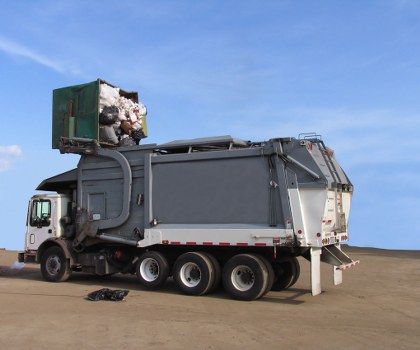
Commercial waste removal in Kings Cross helps businesses keep workspaces clear, compliant and ready for daily operations. We collect mixed office waste, bulky items, packaging, recyclables and other non-hazardous commercial refuse, then direct it through the appropriate handling route. That can support shops, offices, hospitality premises, studios and managed buildings that need a straightforward way to deal with accumulated waste without letting it interrupt the working day.
The service is centred on practical collection rather than guesswork. We deal with items that build up after refurbishments, office changes, stock rotation, clear-outs or routine operations, and we aim to make the process as orderly as possible. Waste is easier to manage when it is sorted sensibly before collection, but the service itself is designed to cope with real-world mixtures rather than perfect piles. If you are planning a one-off uplift or a recurring clearance, our focus is on removing the material efficiently and leaving the site ready for what comes next.
For a more detailed look at the types of waste we handle, you can read about our business waste removal service. If you are comparing the cost of different jobs, the pricing and quotes page is a useful place to start, and you can request a quotation when you are ready to plan the collection.
Business waste collections for busy premises
Our commercial service is built around the realities of workplaces where waste appears in stages, not in one neat pile. Mixed paper, cardboard, general rubbish, unwanted fixtures and packaging can all accumulate around loading areas, storage rooms or office floors. We can remove these materials as part of a planned clearance, helping you avoid clutter that gets in the way of staff movement, deliveries or customer-facing areas. The exact collection method depends on access, volume and the kind of waste involved.
Businesses often need a service that can work around different schedules and site layouts. That may mean clearing waste from upper floors, removing items from a back room, or handling material that is awkward to move through narrow corridors. Where possible, it helps to know the main waste types in advance and whether anything needs to stay on site. A short written list can make the first conversation simpler, while photographs are useful when the load includes bulky or unusual items.
Typical commercial waste from Kings Cross premises may include:
- cardboard, paper and general office refuse
- bagged waste from shops, cafés and hospitality settings
- old stock, shelving and light fixtures
- packaging, shrink wrap and transit materials
- mixed items from room clearances or small refurbishments
Office, retail and hospitality clearances

Office and retail clearances need a careful approach because the waste often includes a mix of usable equipment, unwanted furniture and everyday refuse. Desks, chairs, filing units, display stands and broken fittings may all need removing in stages so that the room remains accessible. In hospitality settings, back-of-house areas can also contain packaging, worn small furnishings and general waste that has built up behind normal service activity. Our role is to remove what needs to go and keep the process as straightforward as possible.
Where premises are still operating, the timing and sequence of the work matter. It can be useful to separate items that are staying from those that are leaving, especially when offices are being reconfigured or a shop is changing layout. If access is limited, let us know about lifts, stairs, opening hours or loading arrangements so the collection can be planned properly. Clear information helps avoid unnecessary delays and makes it easier to arrange the right vehicle and manpower for the job.
Items often removed from working premises
In practical terms, this type of clearance often involves a combination of office furniture disposal, small equipment removal and mixed waste handling. We can also deal with broken items that no longer serve a purpose, including worn seating, damaged shelving and redundant storage furniture. The aim is to leave the area ready for cleaning, redecoration or simply better day-to-day use. If the load is especially bulky, separating it by room or department can help the job move more smoothly.
Furniture and bulky item disposal
Many commercial clearances in Kings Cross include furniture disposal because offices, studios and hospitality venues regularly replace seating, tables, cabinets and storage units. Bulky items can be awkward to shift safely, particularly when they need to pass through shared entrances or tight internal routes. We handle furniture removal as part of a wider waste collection or as a dedicated uplift where the main task is to clear large items that are no longer needed.
The condition of the furniture affects the process, but it does not always change the need for removal. Some pieces may be reusable, while others may be damaged, stained or simply outdated. Either way, what matters is removing them in an organised way so the property can move on to the next stage. If you are replacing several items at once, it can help to group them by room, floor or function before the team arrives. This is especially useful when a premises contains both lightweight and heavier objects.
We also deal with related items such as office chairs, side tables, reception units and small storage pieces where they form part of a commercial clearance. If you need support with larger household-style pieces from a business setting, our furniture disposal page explains the service in more detail. For mixed loads that include a wide range of unwanted items, the broader waste removal option may be the better starting point.
Refurbishment, builders and fit-out waste
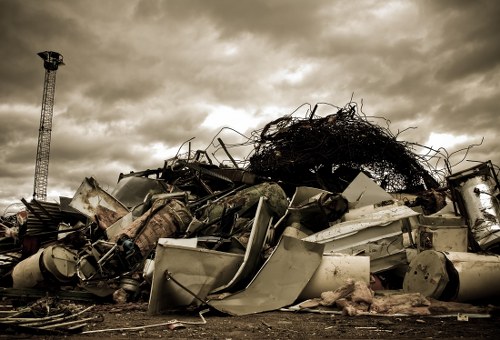
Commercial premises rarely become cluttered for just one reason. A fit-out, refurbishing job or small building project can generate plasterboard, packaging, timber offcuts, broken fixtures and other debris that should not be left on the floor or stored in corners. Our builders waste clearance service is suited to these situations when the waste comes from alterations rather than everyday trading. The purpose is to clear the site of non-hazardous material so the next stage of the project can continue without avoidable obstruction.
Project waste is often mixed and uneven, so it benefits from a sensible plan. Lightweight packaging can sit alongside heavier fragments, and there may be dust, fittings or dismantled components to remove as part of the same visit. Where a business is continuing to operate during works, it is particularly helpful to identify where the waste is located and whether any areas must remain undisturbed. That makes it easier to organise the collection around existing site activity and avoid unnecessary handling.
If your job includes construction-style residue, you can review the builders waste clearance service for a closer description of what is covered. Where the main issue is a broader commercial clean-out after a move, refurbishment or stock change, our team can adapt the collection to the waste types present and the access available. Clear information at the outset usually leads to a better planned removal and fewer surprises on the day.
Waste handling, sorting and recycling choices
Commercial waste removal is not only about taking things away; it is also about deciding how different materials should be handled. Cardboard, paper, metal, timber, plastics and mixed general waste may all need to be separated or managed differently depending on the load. We look at the practical makeup of the collection and apply a sensible process for moving it on. This helps keep the job organised and supports more responsible handling of the material once it leaves the premises.
For customers, the main decision is often whether the waste is mixed enough to need one general clearance or structured enough to benefit from some separation beforehand. If you can group clearly recyclable material apart from general refuse, that may make the collection tidier. If not, the service can still deal with the load as it stands. The important thing is that the material is lawful to remove and that any restricted items are identified in advance so they can be managed appropriately.
To understand more about the route materials may take after collection, see our recycling and sustainability page. Where waste includes items that need special handling, the hazardous waste disposal page offers a better match for that topic. For regular loads, a concise description of what needs clearing is often enough to begin planning the work.
About Kings Cross
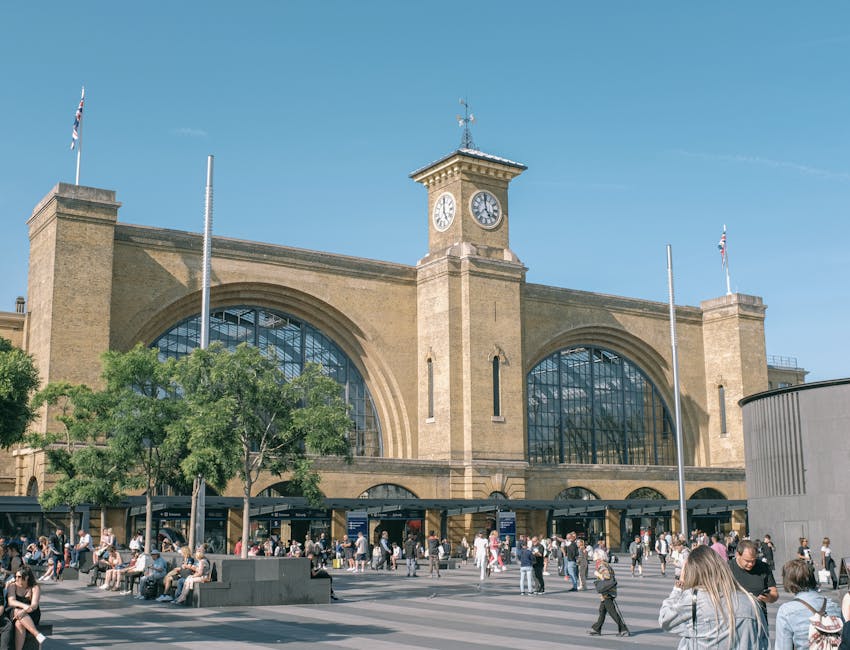
Kings Cross is a major district in central London shaped by transport, industry, redevelopment and a dense mix of residential and commercial uses. The area grew around the railway age in the nineteenth century, when the arrival of the Great Northern Railway transformed what had been a less developed part of the capital. Kings Cross station opened in 1852, followed by St Pancras station nearby in 1868, and the railway land long influenced the local pattern of warehouses, yards and service buildings. Even today, the station complex remains one of the best-known features of the area, with the mainline terminals, the Underground interchange and the surrounding streets forming a busy gateway between north London and the West End. The district also includes the smaller pedestrian spaces and redeveloped blocks around Granary Square and Coal Drops Yard, where former industrial structures have been adapted for contemporary use. The Regent’s Canal runs along the edge of the area and adds a quieter waterside route through an otherwise intensely urban setting. Nearby landmarks include the British Library, with its modern red-brick architecture and important national collections, and the University of the Arts London campus at Central Saint Martins, which occupies part of the restored Granary Building. Kings Cross sits close to Bloomsbury, Camden and Islington, but it has its own identity rooted in transport infrastructure, adaptive reuse and a landscape where historic railway architecture sits alongside new offices, public squares and cultural venues.
Clearance planning and practical access
Good planning makes a commercial clearance easier to carry out, especially in an area with mixed-use streets and active buildings. Before the work starts, it helps to identify where waste is located, how it can be reached and whether there are any restrictions on loading or internal access. That can include lift use, door widths, staircases, concierge arrangements or limited time windows. When the route is clear, the collection can usually be organised more smoothly and with less disruption to the rest of the premises.
There is also value in separating waste that must remain on site from waste that can go. In offices and retail units this may involve labelling desks, files, stock or equipment that are not part of the removal. For larger jobs, a simple room-by-room list can reduce confusion. If you are arranging the clearance on behalf of a landlord, tenant or facilities team, a concise description of the scope is useful because it gives everyone the same understanding of what is included and what is not.
When you are ready to move forward, book online if that suits your planning, or use the contact route to outline the waste, access and preferred timing. For jobs that involve regular collections rather than a one-off visit, we can discuss a practical arrangement that fits the premises and the amount of material produced.
Specialist items and careful removals
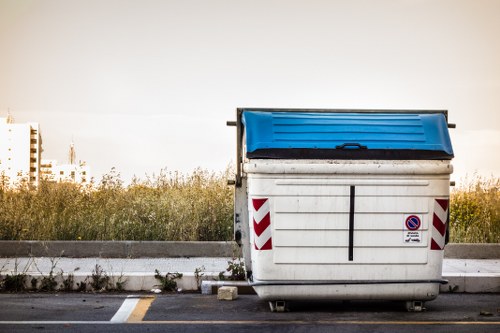
Some commercial waste needs a little more care than standard bagged rubbish. Fridges, appliances, mattress-style items, broken seating and confidential paper waste all require a more considered approach than a normal mixed uplift. We can handle these items where they form part of a broader clearance and where the disposal route is appropriate for the material involved. The aim is to remove the item without creating extra work for the customer or unnecessary disruption to the site.
Specialist removal is often about knowing what should be kept separate. Confidential shredding, for example, belongs in a controlled disposal route rather than a general waste pile. Appliances may need to be isolated from other materials, and larger soft furnishings can require a different handling process from light office refuse. If you are unsure whether an item belongs in the load, it is sensible to mention it before collection so the correct approach can be agreed in advance.
For businesses with unusual waste streams, our related pages can help you narrow the service more precisely. Read about confidential shredding for secure paper disposal, or the fridge and appliance removal service if the load includes electrical or cooling equipment. If you would like a quotation for a specific commercial clearance in Kings Cross, please get in touch and tell us what needs removing.