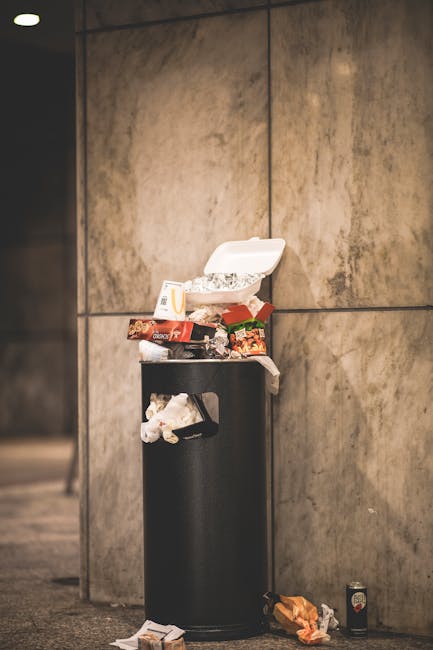
What to know about Camden council rules for rubbish disposal

If you live, work, or manage property in Camden, rubbish disposal is one of those jobs that feels simple until it suddenly isn't. One missed collection day, one bulky item left on the pavement, or one bag of the wrong waste type can create hassle fast. And in a borough like Camden, where streets are busy, shared entrances are common, and space is tight, the rules matter more than most people expect.
This guide explains what to know about Camden council rules for rubbish disposal in plain English. You'll learn how the system generally works, what usually causes problems, how to stay compliant, and when it makes sense to use a professional clearance or removal service instead. No fluff. Just practical guidance you can use right away.
- Why Camden rubbish rules matter
- How the rubbish disposal system works
- Key benefits and practical advantages
- Who needs this guidance
- Step-by-step guidance
- Expert tips for smoother disposal
- Common mistakes to avoid
- Tools, resources and recommendations
- Law, compliance, standards and best practice
- Options and comparison table
- Real-world example
- Practical checklist
- Conclusion
- Frequently asked questions
Why Camden rubbish disposal rules matter
Camden's rubbish rules exist for a simple reason: public streets, pavements, and bin storage areas need to stay safe, tidy, and manageable. That sounds obvious, but in practice it affects everyone. A small overflow can attract pests, block access, or make a building look neglected. In shared housing, it can also become a neighbour issue very quickly. Nobody wants that conversation in the hallway at 8 a.m., frankly.
The rules also help you avoid avoidable costs. Putting the wrong items out, using the wrong container, or leaving waste in an unapproved place may lead to refusal, warnings, or the need to arrange a second collection. That is wasted time, and usually wasted money too.
There is another side to it. Good rubbish disposal habits make recycling easier, reduce contamination, and keep reusable items out of landfill where possible. If you care about being tidy, efficient, and responsible, the borough rules are not just red tape. They are the framework that keeps the whole thing moving.
Expert summary: The smartest approach is to treat Camden's rubbish rules as a system, not a chore. Sort waste early, store it correctly, check collection expectations before putting anything out, and escalate to a specialist when the item is too large, too messy, or too hazardous for standard disposal.
How Camden rubbish disposal works
In general, Camden council rubbish disposal follows the same broad UK local-authority pattern: residents are expected to separate waste sensibly, present it in the right way, and only place it out at the correct time. The practical details can vary by property type, street layout, and waste stream, so the safest habit is to check the exact instructions for your address rather than guessing.
Most households deal with a mix of general waste, recycling, food waste, and occasional bulky items. Flats and managed buildings can be a little different because storage space is limited and collection points may be shared. That is where mistakes happen. One overflowing bin in a communal yard can affect the whole block.
When people say "Camden council rules for rubbish disposal," they usually mean a combination of:
- what waste goes in which bin or bag
- how waste should be stored before collection
- when and where items can be left out
- what counts as bulky waste or special waste
- what must be handled separately, such as electricals or hazardous items
There is also the question of commercial waste. If you are running a shop, office, cafe, salon, or other business, your waste duties are not the same as household disposal. Business waste usually needs a separate arrangement and documentation. If that applies to you, a dedicated service such as business waste removal is often a more practical route than trying to fit everything into domestic collection habits.
Key benefits and practical advantages
Following the rules properly has several real-world advantages. The first is obvious: your bins get collected more reliably when they are presented correctly. The second is less obvious but just as important: your home or building feels calmer and cleaner. That may sound small, but anyone who has watched bags pile up beside a front door during a damp week in London knows the difference.
Here are the main benefits people usually notice:
- Fewer collection issues: sorted waste is less likely to be rejected.
- Less odour and mess: proper storage reduces smells, leaks, and pests.
- Better recycling outcomes: cleaner waste streams support more effective recycling.
- Lower risk of complaints: neighbours and landlords are less likely to raise concerns.
- Safer streets and entrances: nothing blocks access or creates trip hazards.
- Less stress during clear-outs: you know what can go where, and what needs a separate plan.
There is also a strategic benefit for landlords, letting agents, and facilities managers. Clear rubbish routines reduce last-minute panic before inspections, move-outs, or handovers. If you manage a property and the storage cupboard is already groaning, a broader clearance plan may be more sensible than trying to patch the situation bin by bin. Services like flat clearance and home clearance can be useful where standard collection just will not be enough.
Who this is for and when it makes sense
This guidance is useful for quite a wide range of people. In Camden, rubbish disposal issues often affect residents in flats, landlords between tenancies, homeowners after a declutter, office managers clearing old equipment, and tradespeople finishing a job with leftover material. Different situation, same headache.
You will probably need to pay close attention if you are:
- living in a flat or shared house with limited bin space
- moving out and dealing with leftover rubbish
- clearing a loft, garage, or garden after a long build-up
- disposing of furniture, appliances, or bulky items
- running a business and generating recurring waste
- dealing with renovation debris or builder's waste
For example, a family doing a Sunday clear-out might only need a few bags and a plan. A landlord after an end-of-tenancy clean-up may need something much bigger, especially if furniture has been abandoned. In that case, a service like house clearance or office clearance may save a lot of time.
It makes sense to follow council-style disposal rules even when you are not using council collection directly. Why? Because the habits are the same: sort carefully, store properly, and do not mix waste streams unless you are sure it is allowed. Simple, but easy to forget when you are knee-deep in cardboard and old shelving.
Step-by-step guidance
If you want a cleaner, lower-stress process, work through it in order. Rushing is where most rubbish problems begin.
- Identify the waste type. Separate general rubbish, recycling, food waste, electrical items, furniture, garden waste, and anything potentially hazardous.
- Check what can go out normally. Some items are fine in standard household disposal; others need special handling or a separate collection.
- Break down bulky items where possible. Flat-pack boxes, dismantled shelves, and collapsed packaging are easier to store and collect.
- Keep hazardous items apart. Things like chemicals, paint, batteries, sharps, or certain appliances should never be treated casually.
- Store waste neatly. Use bins, tied bags, and a dry area where possible. Camden weather has a habit of testing your patience.
- Put items out at the right time. Do not block pavements or leave waste out too early.
- Escalate when standard collection is not enough. Bulky furniture, large loads, or mixed waste often need a dedicated clearance plan.
If you are dealing with furniture, it is worth planning ahead. Sofas, wardrobes, and mattresses are awkward at the best of times, and they tend to become more awkward the longer you leave them in the hallway. A specialist service such as mattress and sofa disposal or furniture disposal is often the cleaner option.
A small but important point: keep receipts, booking confirmations, or waste transfer details if you are using a paid removal service. You may never need them, but if a dispute arises, having proper records is just sensible.
Expert tips for better results
After seeing how rubbish jobs go wrong, the pattern becomes very familiar. It is rarely the big dramatic mistake. It is usually a handful of small things done late, in the wrong order, or not thought through properly.
Here are the habits that make the biggest difference:
- Sort before you move anything. Once waste is in one pile, people stop separating it.
- Use the dry space first. In a shared Camden entrance, wet cardboard and loose bags become a nuisance quickly.
- Plan for awkward items. Fridges, wardrobes, and broken office furniture need more than a bin bag and optimism.
- Do not rely on "someone else will know." In shared blocks, the someone else is often nobody.
- Book in advance for bigger jobs. Same-day panic usually costs more, or at least feels like it does.
- Think about access. Narrow stairs, basement flats, parking restrictions, and controlled entrances can all affect collection time.
One practical tip that saves a lot of grief: take photos before and after a clearance. It sounds a bit obsessive, maybe, but for landlords, tenants, and business managers it can be genuinely useful. It also helps if a building manager or neighbour later says, "That wasn't there before."
And if you are unsure whether an item is suitable for regular disposal, do not force it into the wrong stream just to be done with it. That is how contamination starts. Better to pause for a minute than to create a bigger issue for the whole building.
Common mistakes to avoid
Most rubbish disposal problems are avoidable. That is the slightly annoying part. But it also means the fixes are straightforward.
- Leaving waste on the pavement too early. This can create obstruction or attract complaints.
- Mixing recycling and general waste. Contaminated recycling often ends up rejected.
- Ignoring bulky item rules. A mattress is not just "another bag," and neither is a broken fridge.
- Dumping builder's waste with household rubbish. Renovation material usually needs a different route.
- Forgetting about shared-bin pressure. In flats, one household's overspill affects everyone.
- Trying to dispose of hazardous items casually. This is where both safety and compliance get messy.
- Assuming "out of sight" means allowed. It usually does not.
Another mistake is not thinking ahead to the final load. A lot of people deal with waste room by room, then discover they have three separate categories that cannot go in the same place. That is the moment when the kitchen table becomes a sorting station and everyone loses enthusiasm. Fair enough, really.
Tools, resources and recommendations
You do not need a complicated toolkit to manage rubbish properly, but a few basics help a lot. Consider keeping the following on hand:
- strong bin bags and liners
- labels or marker pens for waste sorting
- gloves for sharp or dirty items
- a tape measure for bulky items and access points
- basic cleaning supplies for spillages or dusty clear-outs
- a camera phone for documenting waste before collection
For larger or more awkward jobs, a professional collection service can be the most efficient tool of all. If you need a broader removal rather than just one or two items, a general waste removal service is often more flexible than trying to fit everything around municipal collection timing.
If you are clearing a garage, loft, or garden, it can also help to think in zones. One pile for keep, one for recycle, one for dispose, and one for "not sure yet." That last pile is always the biggest, somehow. For those spaces, garage clearance, loft clearance, and garden clearance services may be worth comparing.
You may also want to review a provider's approach to safety, insurance, and recycling standards before booking. The extra five minutes is usually worth it, especially for larger loads or mixed material. If a company can explain its process clearly, that is a good sign.
Law, compliance, standards and best practice
Rubbish disposal is not just about tidiness. In the UK, waste handling has legal and practical expectations around duty of care, safe storage, correct segregation, and responsible transfer. You do not need to become a lawyer to follow them, but you should understand the basics.
In plain English, best practice means:
- disposing of waste through the right route
- keeping separate materials separate where required
- not abandoning waste in public spaces
- avoiding unsafe handling of sharp, heavy, or hazardous items
- using reputable collectors for larger loads
For businesses, the bar is higher. Commercial waste needs better record-keeping and more disciplined sorting. Offices, shops, and hospitality venues generate mixed waste streams that should not be treated like household rubbish. If that is your situation, reviewing a provider's health and safety policy and insurance and safety information is sensible, not fussy.
Bulky or specialist items can also require extra care. Fridges, freezers, and other appliances should be dealt with properly because of their materials and handling requirements. That is where fridge and appliance removal becomes relevant. Likewise, any item that may pose a hazard should be isolated and assessed carefully, not mixed in with standard waste. For that, hazardous waste disposal is the safer route.
One practical rule of thumb: if you would not feel comfortable putting the item in a normal household bin or carrying it through a shared hallway without thinking twice, pause and check the proper route first. That one pause can save a lot of trouble later.
Options, methods, or comparison table
There is more than one way to deal with rubbish in Camden. The right option depends on volume, item type, timing, and how much effort you want to spend yourself.
| Option | Best for | Pros | Watch out for |
|---|---|---|---|
| Standard household disposal | Routine daily waste and recycling | Simple, familiar, usually low effort | Needs careful sorting and correct timing |
| Bulky item collection or dedicated clearance | Furniture, appliances, and large mixed loads | Less lifting, faster for bigger jobs | May need booking and access planning |
| Skip-based disposal | Renovation, garden, or medium-to-large clear-outs | Good for lots of material in one place | Space, permit, and loading rules matter |
| Specialist waste removal | Hazardous items, office waste, or awkward materials | Better handling and compliance confidence | Must choose the right specialist service |
Some readers assume a skip is the universal answer. Not quite. It can be brilliant for the right job, but it is not always the simplest solution in a dense London street. If you want to understand what belongs in one, the page on what can go in a skip is a useful reference point before you commit.
If you are comparing providers, pricing structure matters too. Look at transparency, access arrangements, and what is included in the quote. A cheap headline figure is lovely until you realise the lift, loading, and disposal costs are all extra. Been there, regretted that.
Case study or real-world example
Imagine a small Camden flat after a tenancy ends. The tenants have moved out, but there are two broken dining chairs, a mattress, a pile of cardboard, old kitchen bits, and a half-full bag of mixed rubbish left behind. It is not a full-blown renovation, but it is more than a quick bin job.
The landlord's first instinct might be to move everything to the street and hope collection day sorts it out. That approach usually creates more problems than it solves. The chairs and mattress may not be accepted with regular rubbish, the cardboard may need separate handling, and the mixed bag might contaminate any recycling pile. If the building has communal bins, the overspill could also upset neighbours immediately.
A better approach would be:
- sort the waste into separate categories
- remove anything reusable or safely recyclable
- identify the bulky items that need special disposal
- book the right collection method for the remaining load
- document the cleared space once finished
In that sort of situation, a specialist service such as flat clearance or furniture clearance is often the fastest path to a proper finish. The room ends up empty, the hallway stays clear, and nobody has to drag a mattress down three flights of stairs while balancing a rubbish bag. Which, let's face it, is not anyone's idea of a good Saturday.
Practical checklist
Use this checklist before you put anything out or book a removal:
- Have I sorted general waste, recycling, and special items separately?
- Do I know whether this item is bulky, electrical, or hazardous?
- Have I checked whether the collection point is correct for my property?
- Is the waste bagged, tied, or packed securely?
- Have I avoided blocking the pavement, entrance, or fire route?
- Do I know the collection day or agreed pick-up time?
- If it is a larger load, have I planned access, parking, and lifting?
- Do I have photos or notes if I need a record later?
- Would a specialist clearance service be simpler than multiple small trips?
- Have I kept any hazardous or confidential waste completely separate?
If the answer to several of those questions is no, pause and reset. It is far easier to fix a sorting problem before the waste goes outside than after a refusal, a complaint, or a wet afternoon spent re-bagging everything.
Conclusion
Knowing what to know about Camden council rules for rubbish disposal is less about memorising every detail and more about building good habits. Sort waste carefully, understand what needs special handling, keep shared spaces clear, and choose the right disposal route for the job in front of you. That approach works for residents, landlords, and businesses alike.
In Camden especially, where space is limited and routines matter, the difference between a smooth disposal and a frustrating one is usually planning. A few minutes upfront can save hours later. And if the load is too big, too awkward, or too risky to manage as standard rubbish, there is nothing wrong with bringing in help. That is often the sensible choice, not the lazy one.
Get a free quote today and see how much you can save.
When rubbish is handled well, a property feels lighter. Quietly, almost immediately, the place breathes again.
Frequently Asked Questions
What is the main thing to know about Camden council rubbish rules?
The main thing is to sort your waste properly, present it in the right place, and only put out items that are appropriate for regular collection. If you are unsure, it is safer to check the correct route first than to leave something out and hope for the best.
Can I leave rubbish on the pavement in Camden?
Generally, you should avoid leaving rubbish on the pavement unless it is allowed for collection and placed out at the correct time. Blocking footways or creating mess can lead to complaints or collection issues, especially in busy streets and shared entrances.
What should I do with bulky items like sofas or mattresses?
Bulky items usually need a separate disposal route. A service such as mattress and sofa disposal is often the simplest option, especially if you do not have the space or lifting help to manage them yourself.
Do flats and shared buildings have different rubbish issues?
Yes. In flats, the main problems are limited storage, shared bins, and unclear responsibility for overspill. One household's mistake can affect the whole block, so coordination matters more than in a single house.
What counts as hazardous waste?
Hazardous waste can include items or substances that need special handling because of safety risks. That may involve chemicals, certain paints, sharps, or other materials that should not be mixed with standard rubbish. If in doubt, keep it separate and get specialist advice.
Can businesses use household rubbish collection?
No, not usually. Business waste normally needs its own arrangement, and it should be managed under commercial waste expectations. A dedicated business waste removal service is the safer route.
How do I know whether to choose a skip or a removal service?
A skip works well when you have a sizeable volume of suitable waste and enough space for placement. A removal service is often better if access is tight, you need speed, or the items are bulky and awkward. The page on what can go in a skip can help you judge that choice.
Is it better to sort waste before booking collection?
Yes, absolutely. Sorting first saves time, reduces contamination, and makes it much easier to choose the right disposal method. It also helps you avoid paying for the wrong service.
What if I am clearing a whole property?
If you are clearing a whole flat, house, loft, or office, a broader service may be more practical than standard rubbish disposal. Pages like house clearance and office clearance are useful starting points.
How can I avoid complaints from neighbours?
Keep waste neat, do not block access, avoid setting items out too early, and remove anything that might leak or smell. A tidy, well-timed disposal is usually enough to keep the peace.
What should I do with old appliances?
Old appliances should not be treated like ordinary rubbish. Fridges, freezers, and similar items are better handled through a specialist route such as fridge and appliance removal.
Where can I get more help if my waste load is too big to manage?
If the job has grown beyond a few bags, it may be time for a full waste removal or clearance plan. A page like waste removal can help you think through the next step, and if you want to ask a direct question, the team's contact page is the place to start.