Camley Street rubbish collection guide for local flats
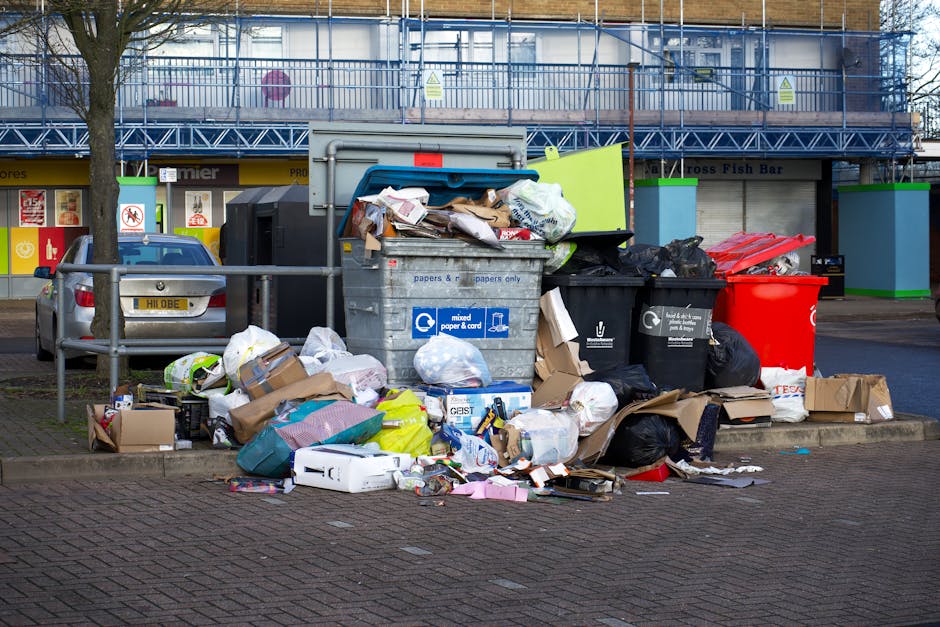
If you live in or near Camley Street, rubbish collection can be one of those everyday jobs that looks simple until the bins are full, the lift is out, and the smell starts creeping out into the corridor. This Camley Street rubbish collection guide for local flats breaks the process down in plain English, so you can manage waste more cleanly, avoid missed collections, and keep shared spaces decent for everyone.
Flats come with their own set of awkward little realities: limited bin storage, narrow hallways, neighbours who all seem to put things out at different times, and the occasional bulky item that will not fit anywhere sensible. Whether you are a tenant, leaseholder, managing agent, or landlord, the right approach saves time and prevents unnecessary mess. It also helps if you are planning a one-off clear-out, arranging flat clearance, or just trying to make sense of what should go where.
Below, you will find a practical guide to the local flat waste routine, what tends to go wrong, how to avoid fly-tipping and storage problems, and when a professional waste removal service can make life easier. Let's face it, nobody wants to wrestle a broken chair down three flights of stairs at 8:15 on a damp Tuesday morning.
Why Camley Street rubbish collection for local flats matters
In a house, waste can usually be managed room by room. In a block of flats, everything becomes shared. That changes the stakes quite a bit. One overflowing bin store can affect the whole building: pests, odour, blocked access, complaints from neighbours, and the sort of visual clutter that makes a place feel neglected fast.
Camley Street sits in a busy part of London where people live, work, move, renovate, and turn over rentals regularly. That means rubbish collection is not just a housekeeping issue. It is part of how a building functions day to day. If collections are poorly timed or poorly organised, the consequences tend to show up quickly: bags left in front of bin stores, cardboard left to blow around, and bulk waste sitting there for days because nobody claimed it. Annoying? Absolutely. Avoidable? Usually, yes.
This matters even more in flats because residents depend on shared systems. If one person leaves mixed rubbish in the wrong bin, the whole collection can be delayed or the area can become harder to manage. Good waste habits protect not just cleanliness, but also access routes, fire safety, and the simple dignity of coming home to a building that does not smell like last week's leftovers.
Expert summary: The best rubbish collection setup for local flats is the one that is easy to follow, easy to access, and hard to misuse. Simplicity wins, nearly every time.
For residents who are clearing out a flat, moving out, or disposing of old furniture, having a plan matters even more. Services such as furniture disposal and mattress and sofa disposal can be far more practical than trying to move heavy items through shared corridors on your own.
How Camley Street rubbish collection for local flats works
Most local flat waste systems work on a simple chain: residents sort waste at source, place it in the correct shared bins or designated collection points, and then the building or waste contractor removes it on an agreed schedule. That sounds straightforward. In practice, the details make all the difference.
In many blocks, there are separate containers for general waste, mixed recycling, and sometimes food waste. Some buildings also have a bin store, refuse chute, or collection point in a rear yard. Others rely on residents taking bags to a communal area at specific times. The exact setup depends on the building, the management arrangements, and the collection service in place. Truth be told, half the battle is simply knowing which system your block actually uses.
For one-off clearances or larger volumes of waste, residents may need an arranged collection rather than a weekly bin lift. That is where a man-and-van style collection, a team collection, or a broader home clearance style service can help, especially if the waste includes mixed household items, packaging, and bulky furniture.
There are a few moving parts worth watching:
- Storage space: enough room for bins without blocking doors, gates, or access routes.
- Sorting: separating recycling from general waste before it reaches the bin store.
- Timing: putting waste out according to collection day and not too early.
- Bulky waste: arranging separate disposal for larger items rather than leaving them beside bins.
- Access: ensuring contractors can reach the bin area without a locked gate or parked vehicle blocking the way.
If your building also produces occasional commercial-type waste, for example from a resident-run office setup or short-term let operation, it may be useful to look at business waste removal rather than treating everything as ordinary domestic rubbish. That distinction matters, especially where paperwork, packaging, or larger volumes are involved.
Key benefits and practical advantages
A well-run rubbish collection routine does more than keep bins from overflowing. It improves the feel of the whole building. You notice it in small ways: less odour near the entrance, cleaner floors around the bin store, fewer complaints, and much less awkwardness between neighbours. Nobody enjoys being the person who "forgot" to close the bin lid every week. It becomes a thing.
Here are the main benefits of getting it right:
- Cleaner shared areas: no loose waste sitting in hallways or behind bins.
- Better neighbour relations: fewer disputes about who left what where.
- Reduced pest risk: especially where food waste is involved.
- Less fire and obstruction risk: clear routes are easier to maintain.
- Faster move-outs and clearances: useful when flats change hands quickly.
- More predictable costs: fewer emergency call-outs and fewer repeat collections.
There is also a practical money angle. When bulky rubbish sits around too long, it often leads to extra handling, extra labour, or extra charges. Sorting it early and disposing of it in the right way is usually cheaper than leaving it until the problem becomes urgent. That is especially true with bulky items like sofas, wardrobes, and old appliances, which are awkward in flats and awkward on stairs. Awkward all round, really.
If you are trying to compare options, waste uplift for a flat, a partial clearance, and full property clearance are not the same thing. A targeted uplift can be enough for a few bags and small items. A more involved clearance may be better if you are dealing with a tenancy turnover, renovation debris, or several rooms of unwanted belongings. For mixed household items, house clearance can be a useful reference point even when the property is a flat, because the same sorting and access logic still applies.
Who this is for and when it makes sense
This guide is useful for a few different people, and each one usually has a slightly different problem.
- Tenants: if your flat fills up quickly with packaging, broken small items, or furniture you cannot keep when you move.
- Leaseholders: if you need to coordinate disposal without causing issues in shared areas.
- Managing agents: if you are trying to prevent bin stores from becoming a weekly headache.
- Landlords: if a tenancy ends and the flat needs clearing before re-letting.
- Letting teams and property managers: if you need a quick turnaround and minimal disruption.
- Residents in converted buildings: where bin space is often tight and access can be a bit fiddly.
It also makes sense if you are dealing with specific item types that do not belong in the usual bin stream. For example, appliances often need separate handling, which is where fridge and appliance removal can be more suitable. Sofas and mattresses are another common pain point, especially in flats with narrow staircases and no lift.
And yes, if you are only getting rid of a couple of black bags, you probably do not need a full service. But if the pile has started to look like the inside of a skipped weekend move, then a proper collection starts making much more sense.
Step-by-step guidance
Here is a practical way to handle rubbish collection for a flat on or near Camley Street without overcomplicating it.
- Check the building's waste setup. Find out where bins are stored, which bins are in use, and whether there are set collection days or access rules.
- Sort waste before it leaves the flat. Separate recycling, food waste, general rubbish, and any items that need special handling.
- Flatten boxes and packaging. Cardboard takes up far more room than people expect. One box can become three when it is broken down. Funny how that works.
- Keep bags sealed and manageable. Overfilled bags split easily in hallways and on stairs.
- Move waste to the bin store at the right time. Too early and the area clogs up. Too late and you miss collection day.
- Separate bulky items from normal rubbish. Old furniture, broken white goods, and mattresses should not be left beside communal bins.
- Book a separate uplift if needed. For larger volumes, arrange a dedicated removal rather than hoping the bins will cope.
- Confirm the area is left tidy. Sweep up loose bits, flatten packaging, and close bin lids securely.
If you are clearing a whole room, a targeted loft clearance or garage clearance style approach can also be helpful, especially where extra storage has quietly become a dumping ground over the years. We all have one space like that, or know someone who does.
When in doubt, ask one simple question: will this item genuinely fit into the normal collection system without causing a mess or a blockage? If the answer is no, it probably needs separate disposal.
Expert tips for better results
A few small habits make a big difference in flat rubbish collection. None of them are dramatic, but they reduce friction and keep the building calmer.
- Use clear labelling for shared stores: a simple sign about which bins are for what can prevent a lot of confusion.
- Encourage residents to break down packaging: especially after delivery-heavy weekends or move-ins.
- Keep the bin area dry if possible: wet cardboard and loose bags make the space feel untidy faster.
- Plan around move-out dates: waste volume often spikes at month end and during tenancy changes.
- Book bulky item removal early: do not wait until the corridor is full of half-moved furniture.
- Watch for hidden waste hotspots: bicycle corners, stair landings, storage cupboards, and under-stair spaces can become accidental dumping points.
One useful practical insight: if a flat building has recurring rubbish problems, the issue is often not the waste itself but the system around it. A better bin location, clearer collection routine, or a regular uplift schedule can solve more than one-off reminders ever will. That is the bit people miss.
For buildings that want to keep waste handling tidy over time, it can help to combine flat rubbish collection with a broader approach to recycling and sustainability. The aim is not perfection. It is a routine that residents can actually follow without getting annoyed.
Common mistakes to avoid
The same problems show up again and again in flats. Once you know them, they are easier to sidestep.
- Leaving rubbish in hallways: this is one of the quickest ways to create clutter, odour, and complaints.
- Mixing everything together: recycling contamination often starts with one careless bag.
- Putting out bulky waste without a plan: sofas and mattresses are not "bin store items".
- Ignoring access issues: a blocked gate, locked store, or parked car can stop a collection altogether.
- Using the wrong disposal route for specialist waste: appliances, hazardous items, and confidential papers all need different handling.
- Waiting until the last minute: a rushed clear-out is where mistakes happen.
One of the biggest headaches is dumping items beside the bins and assuming someone else will sort it out. Sometimes they do. Often they don't. And then everyone gets to look at the mess for another two days. Not ideal.
If confidential paperwork is part of the clean-up, do not just shred it casually in the kitchen and hope for the best. A proper confidential shredding route is far more sensible when documents contain personal or business information.
Tools, resources and recommendations
You do not need a warehouse full of equipment to manage flat rubbish properly. Usually, a few simple tools are enough.
| Tool or resource | What it helps with | Best use |
|---|---|---|
| Heavy-duty bin bags | Preventing splits and spillages | General waste and food waste in small volumes |
| Cardboard cutter or box knife | Flattening packaging | Move-ins, online shopping waste, deliveries |
| Reusable crates or tubs | Carrying sorted items | Recycling, paper, or small clear-outs |
| Label stickers | Shared bin organisation | Bin stores in converted flats or managed blocks |
| Access key or fob log | Helping contractors enter safely | Managed buildings with controlled entry |
For bigger jobs, the right service matters more than the right bag. If you are handling a mix of household clutter, furniture, and general rubbish, a broader service such as furniture clearance or home clearance may be better than piecing things together yourself.
And if the issue is mostly mattresses or a worn-out sofa left in a bedroom that now feels about the size of a shoe box, those specialist disposal pages are worth a look before you start trying to drag the thing down the stairs and into the street. To be fair, that plan rarely ages well.
Law, compliance, standards and best practice
For flat residents and building managers, compliance does not have to be complicated, but it does need to be taken seriously. In the UK, waste must be handled responsibly, and anyone arranging removal should make sure the waste goes to a legitimate route. That means using a properly run service and not leaving it to chance.
Best practice is straightforward:
- Do not fly-tip: leaving items on pavements or beside bins without arrangement is a real risk and can create enforcement problems.
- Separate special waste: items that may be hazardous, electrical, or contaminated should be treated carefully.
- Keep access routes clear: fire exits, corridors, and bin stores should not be blocked.
- Use documented services for larger removals: especially when the waste is mixed, bulky, or time-sensitive.
- Follow building rules: lease conditions and management instructions can be stricter than residents expect.
If your building is handling waste from renovation or repair work, it may also be worth checking whether builders waste clearance is the better fit for rubble, old fixtures, packaging, and offcuts. Mixed renovation waste in flats can get messy quickly, especially when bags are heavy and lifts are small.
Another useful point: safety and insurance matter. If contractors are coming into a communal block or handling heavy items, it helps to use a provider with clear procedures around access, lifting, and site safety. You can review health and safety policy and insurance and safety information where relevant, because reassurance is part of the service, not an afterthought.
Options, methods or comparison table
Different rubbish problems call for different solutions. Here is a simple comparison to help you choose the most sensible option.
| Option | Best for | Advantages | Watch-outs |
|---|---|---|---|
| Regular communal bin use | Small daily household waste | Simple, predictable, low effort | Can overflow if residents overfill or mis-sort |
| One-off bulky item collection | Single sofas, mattresses, appliances | Targeted and practical | Needs planning and access |
| Flat clearance service | Move-outs, probate, major declutters | Fast and less disruptive | May be more involved than a simple uplift |
| General waste removal | Mixed bagged waste and small items | Flexible for clutter and day-to-day build-up | Needs decent sorting to stay efficient |
| Specialist disposal | Appliances, confidential items, awkward waste | Safer and more appropriate | Not suitable for everything |
If you are still unsure whether you need a collection, a clearance, or just a better bin routine, start small. A quick assessment of what is actually in the flat usually makes the answer obvious within a few minutes.
For exact service suitability, you can also compare your situation with what can go in a skip. Even if you are not booking a skip, the guidance helps you think about materials, limitations, and waste types in a more organised way.
Case study or real-world example
Picture a typical flat near Camley Street: two bedrooms, a narrow hallway, one small storage cupboard, and a bin area shared by several households. After a tenancy ends, the outgoing residents leave behind flattened boxes, a broken bedside table, an old desk chair, and a mattress that is far too big for the lift. The managing agent needs the flat cleared quickly so the next occupants can move in without delay.
What works best in that situation is not a heroic DIY push. It is a tidy plan.
First, the remaining waste is sorted into what can go in normal bins and what needs separate collection. Cardboard is broken down. Loose rubbish is bagged properly. The mattress and furniture are set aside for specialist removal. Then the area is checked for access issues: door codes, lift booking times, and whether the bin store can be reached without blocking neighbours. Once that is done, a booked removal team can deal with the lot in one visit rather than returning three times for different bits and pieces.
The result is simple: less disruption, less mess, and a flat that feels ready again instead of half-abandoned. And, honestly, that is what most people want. Not perfection. Just a clean reset.
In cases like this, flat clearance is often the most practical route because it bridges the gap between normal bin use and a full property clean-out.
Practical checklist
Use this checklist before you put out rubbish or book a collection:
- Check the building's bin rules and collection day.
- Separate recycling, food waste, general waste, and special items.
- Flatten boxes and compact packaging.
- Seal bags securely and do not overfill them.
- Keep hallways, stairwells, and exits clear.
- Set aside bulky items for separate removal.
- Confirm access for any contractor or collection team.
- Remove confidential papers and sensitive materials properly.
- Do a final sweep of the area after moving waste out.
- Book a bigger clearance if the waste volume is growing faster than the bins can handle.
If you are working through a larger declutter, it can help to think room by room. Start with visible waste, then packaging, then bulky items, then the awkward stuff tucked away in cupboards. That order usually feels less overwhelming.
Conclusion
Managing rubbish collection in local flats is mostly about good habits and sensible systems. On Camley Street, where space can be tight and shared areas matter a lot, those habits make daily life smoother for everyone. Sort early, store waste properly, keep access clear, and book the right type of collection when the job is bigger than the bin store can handle.
The best approach is rarely the most dramatic one. It is the one that keeps things moving, avoids complaints, and leaves the building feeling cared for. Small fixes, repeated consistently, really do add up.
If you are dealing with bulky furniture, mixed clutter, or a flat that needs a proper reset, it may be worth exploring pricing and quotes so you can match the service to the job rather than guessing. And if you want to speak with a team directly, the easiest next step is to use the website's booking or contact options when you are ready.
Get a free quote today and see how much you can save.
Sometimes a clean bin store is just a clean bin store. Other times, it is the start of a calmer week. That counts for something.
Frequently Asked Questions
What is the best way to manage rubbish in a Camley Street flat?
The best approach is to sort waste at source, follow the building's bin routine, keep communal areas clear, and book separate removal for bulky items. That keeps the system simple and avoids blockages.
Can I leave rubbish beside the bins if the store is full?
It is better not to. Leaving waste beside bins can cause mess, attract pests, and create complaints from neighbours or building management. If the bins are full regularly, the system probably needs adjusting.
What should I do with old furniture from a flat?
Old furniture should usually be removed separately rather than left with general waste. Services like furniture clearance or furniture disposal are often the most suitable option for bulky pieces.
How do I dispose of a mattress in a flat building?
A mattress is awkward to store and should not be left in a communal bin area unless the building specifically allows that, which is uncommon. A dedicated mattress and sofa disposal service is usually a much better fit.
Do I need a waste removal service for just a few bags?
Not always. A few bagged items can often be handled through the normal collection route. If the bags are heavy, mixed, or too many for the bin store, then a waste removal service starts making more sense.
What if my flat has no easy lift access?
That is common in converted buildings. It simply means you should plan lifting and timing more carefully, and book a team that understands stairs, narrow landings, and shared access. No one wants a half-hour argument with a sofa on the second floor.
Can food waste, recycling and general rubbish all go in the same bag?
No, that usually creates contamination and can make the bin area harder to manage. It is better to separate waste types before you carry them downstairs.
What happens if someone keeps blocking the bin store?
That is usually a management issue rather than a one-off waste issue. The solution may be clearer signage, better bin placement, resident reminders, or a revised collection routine.
Is there a difference between flat clearance and waste removal?
Yes. Waste removal usually covers mixed rubbish or a set amount of unwanted items, while flat clearance is better for more substantial clear-outs, tenancy changes, or multiple rooms of belongings.
What should I do with appliances like fridges or washing machines?
Appliances need separate handling and should not be dumped beside communal bins. Fridge and appliance removal is the safer and more practical route for those items.
Are there special rules for confidential papers or documents?
Yes. Confidential papers should be handled securely, not just thrown into open waste. Confidential shredding is the better option when personal or business information is involved.
How can I make rubbish collection easier for everyone in the building?
Keep instructions simple, ensure bins are easy to reach, flatten packaging, and arrange periodic collections for bulky waste. A calm routine works better than constant reminders, every time.